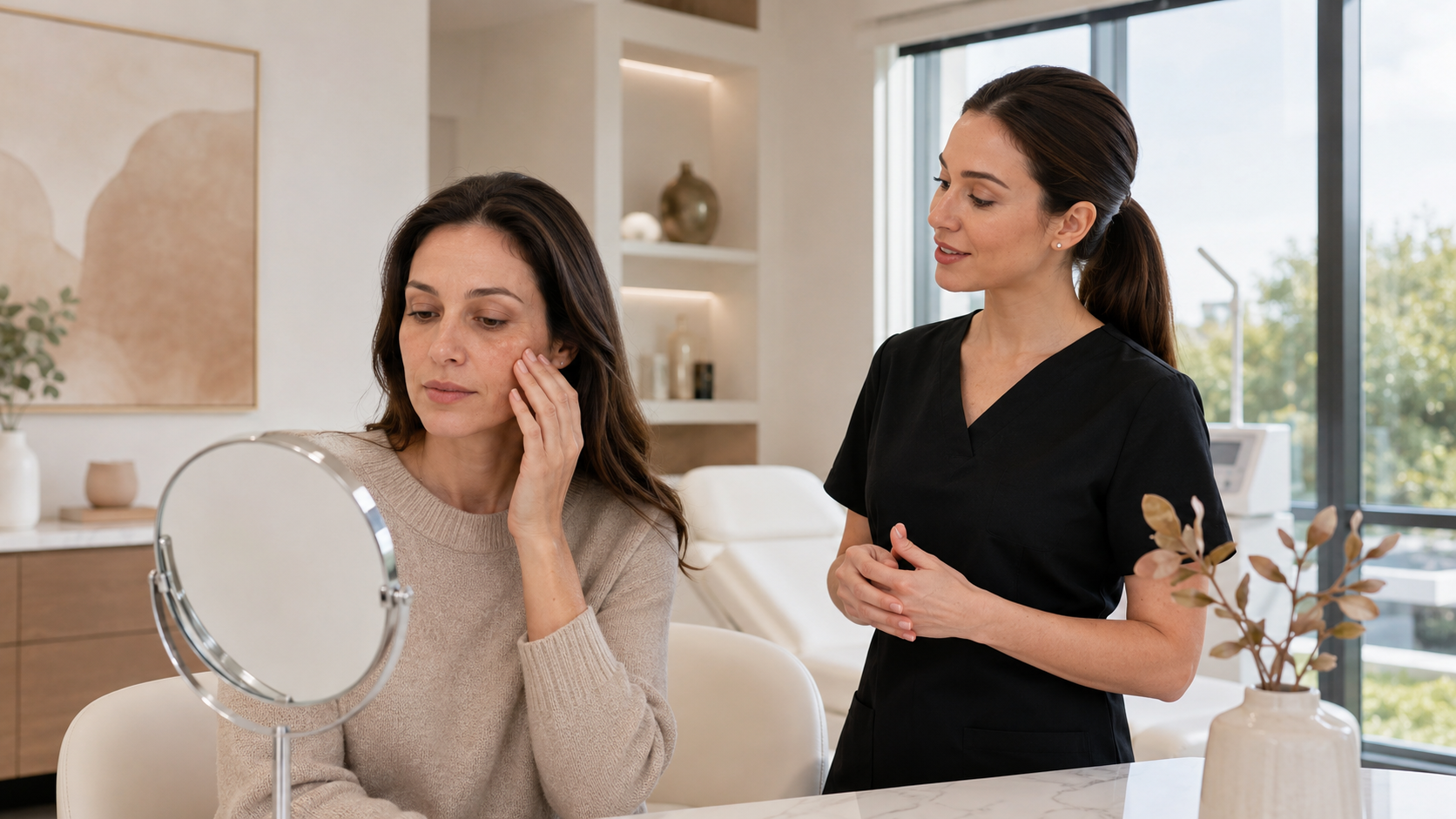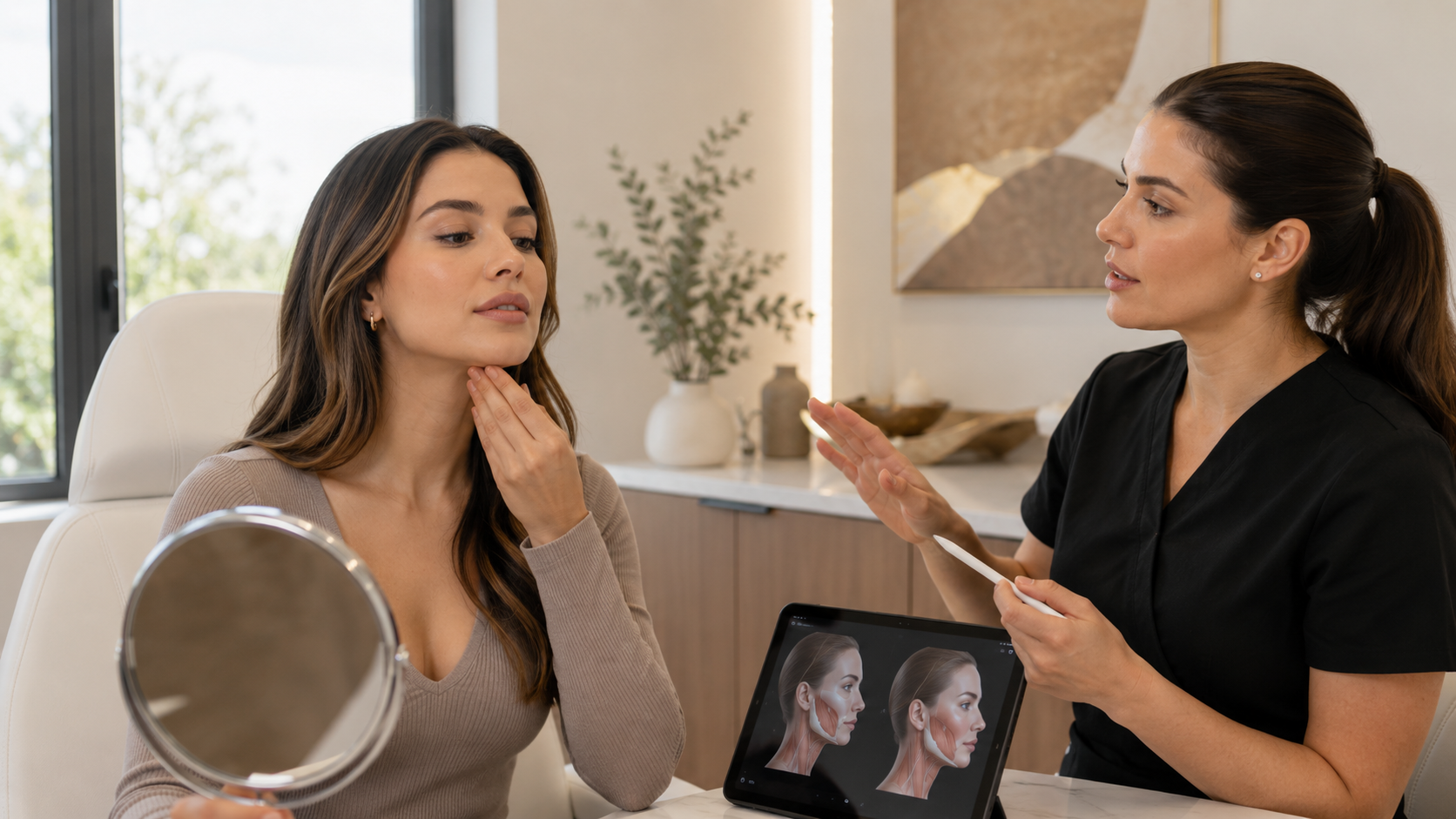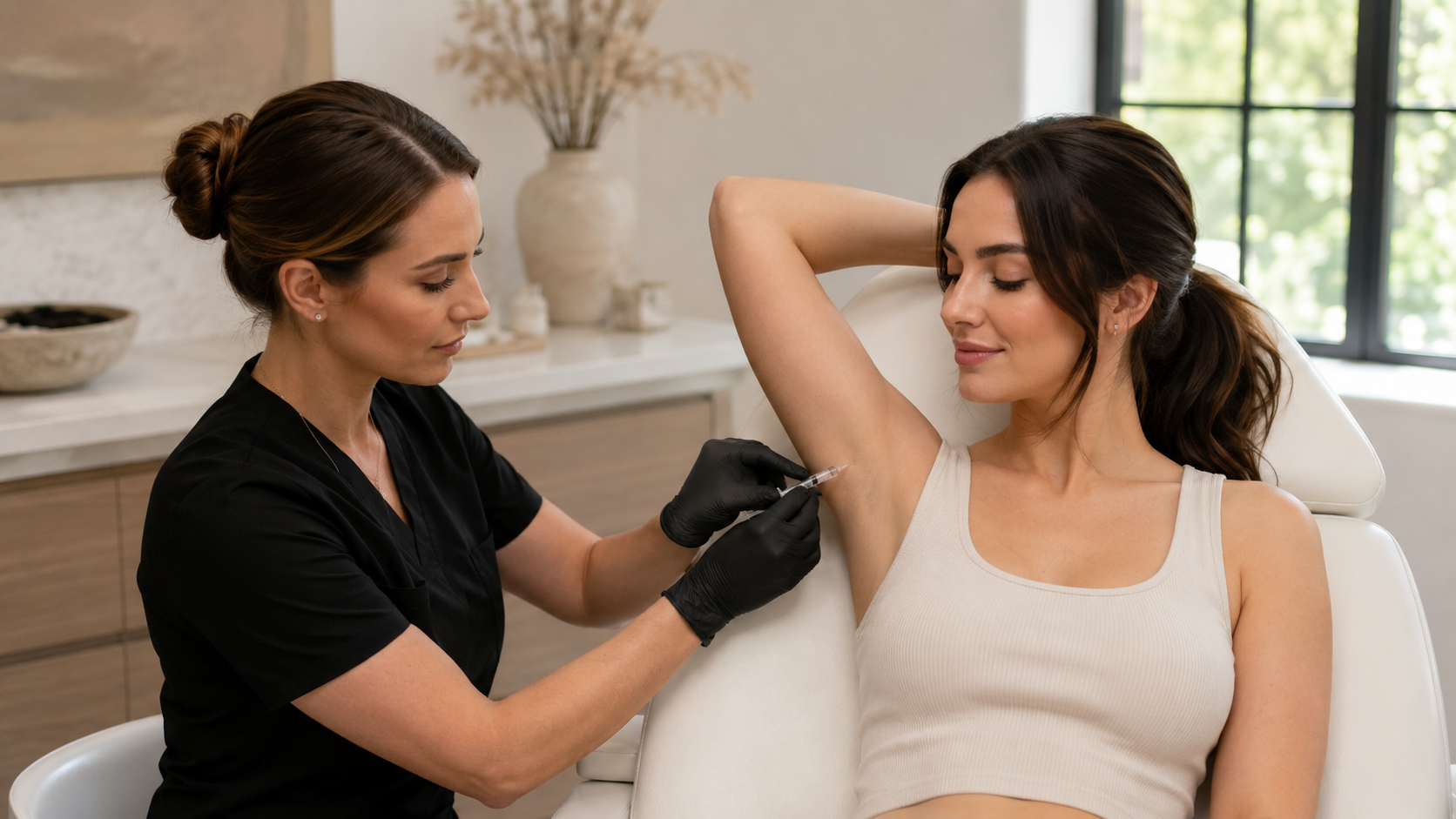
You’ve booked a skincare treatment—maybe it’s a rejuvenating facial, a chemical peel, or even a microneedling session. Now what? Prepping your skin before the treatment and taking care of it afterward are just as important as the treatment itself. These crucial steps determine how well your skin responds, heals, and glows.
With so much advice floating around, it can be overwhelming to know what to do. But fear not! We’ve gathered skincare tips from the pros to help you maximize your results, keep your skin healthy, and avoid common pitfalls.
Jump To:
TLDR – Quick Guide
- Pre-Treatment:
- Avoid exfoliation and sun exposure for at least a week.
- Hydrate your skin and drink plenty of water.
- Consult with your skincare provider about medications and products.
- Post-Treatment:
- Follow your provider’s aftercare instructions religiously.
- Keep skin clean and moisturized.
- Avoid touching, peeling, or exposing treated skin to direct sunlight.
- Now let’s dive into the nitty-gritty!
Detailed Breakdown
Pre-Treatment Best Practices
1. Skip the Scrubs
Exfoliating products, retinoids, or active ingredients like AHAs or BHAs can make your skin extra sensitive. Stop using them at least 5–7 days before your treatment.
2. Hydrate Inside and Out
Well-hydrated skin responds better to treatments. Drink plenty of water and apply a moisturizer suited to your skin type.
3. Ditch the Sun
Avoid direct sun exposure and tanning beds in the week leading up to your treatment. Sunburned or overly tanned skin can lead to irritation during treatment.
4. Discuss Medications
Certain medications, like Accutane or antibiotics, can affect your skin’s sensitivity. Inform your skincare provider about any prescriptions or over-the-counter products you’re using.
5. Remove Makeup and Go Bare
Arrive at your appointment with a clean, makeup-free face. This ensures the treatment works on your skin, not layers of product.
Post-Treatment Best Practices
1. Stick to Gentle Cleansing
After a treatment, your skin may feel sensitive. Use a gentle cleanser and pat your face dry—no harsh scrubbing or hot water.
2. Moisturize Like a Pro
Invest in a high-quality moisturizer to keep your skin hydrated and support its natural barrier. Products with hyaluronic acid can work wonders.
3. Sunscreen Is Non-Negotiable
After any treatment, your skin is more susceptible to sun damage. Use a broad-spectrum SPF of 30 or higher daily.
4. Hands Off!
Resist the urge to touch, pick, or peel at your skin. This can introduce bacteria or disrupt the healing process.5. Avoid Sweating and Heat
Steer clear of workouts, saunas, and hot showers for 24–48 hours post-treatment. Heat can exacerbate redness and irritation.ng your overall appearance. in good health who want non-surgical solutions for aesthetic or medical concerns.
Key Takeaways
- Pre-treatment routines focus on preparing your skin for optimal results: hydration, sun protection, and avoiding irritants are key.
- Post-treatment care helps your skin heal and maintain results: gentle products, sun protection, and patience go a long way.
- The golden rule: listen to your skincare provider and follow their advice closely.
With these pro-approved tips, you can get the most out of your treatments and enjoy radiant, healthy skin.
FAQs
1. Can I wear makeup after a skincare treatment?
It’s best to avoid makeup for at least 24 hours post-treatment. Let your skin breathe and heal to prevent irritation or clogged pores.
2. Why is sunscreen so important post-treatment?
Post-treatment skin is often more sensitive and prone to sun damage. A broad-spectrum SPF protects against harmful UV rays and helps maintain your results.
3. How soon can I resume my normal skincare routine?
Most professionals recommend waiting at least 3–5 days before reintroducing active ingredients like retinoids or exfoliants. Check with your provider for personalized guidance.
4. Can I exercise after a facial or peel?
Avoid strenuous activity for 24–48 hours post-treatment. Sweat can irritate treated skin and lead to redness or breakouts.
5. What should I do if I experience irritation or redness?
Mild redness is normal, but if it persists or worsens, contact your skincare provider. Use soothing products like aloe vera gel or a cold compress in the meantime.