If you’ve been paying attention to the world of skincare, you’ve likely heard the buzz around peptides and injectables. Separately, they’re heavy-hitters in the anti-aging game—but together? They just might be the power duo redefining how we approach skin rejuvenation.
Whether you’re curious about smoother skin, fewer wrinkles, or a glow that doesn’t quit, understanding the science and synergy behind peptides and injectables is key. In this blog, we’ll decode how these treatments work, why they’re making waves, and how to incorporate them smartly into your aesthetic game plan.
Jump To:
TLDR – Quick Guide
- Peptides are small chains of amino acids that signal your skin to repair, rebuild, and renew.
- Injectables like Botox and dermal fillers offer instant or near-instant skin smoothing and volumizing effects.
- Combined, they offer both short-term results and long-term skin improvement.
- Popular peptides: Argireline, Matrixyl, and copper peptides.
- Top injectables: Botox, Juvederm, Restylane, and Sculptra.
- Who it’s for: Anyone looking to combat aging, enhance skin texture, or get ahead with preventative care.
Detailed Breakdown
What Are Peptides?
Peptides are the quiet overachievers of skincare. These short chains of amino acids act as messenger molecules, signaling your skin to produce more collagen, elastin, and even hyaluronic acid.
Some of the most effective types include:
- Argireline (often called “Botox in a bottle”)
- Matrixyl 3000, which boosts collagen synthesis
- Copper peptides, known for healing and regeneration
Unlike traditional creams that only hydrate, peptides actively tell your skin what to do. Think of them as little coaches, encouraging your skin cells to perform better.
What Are Injectables?
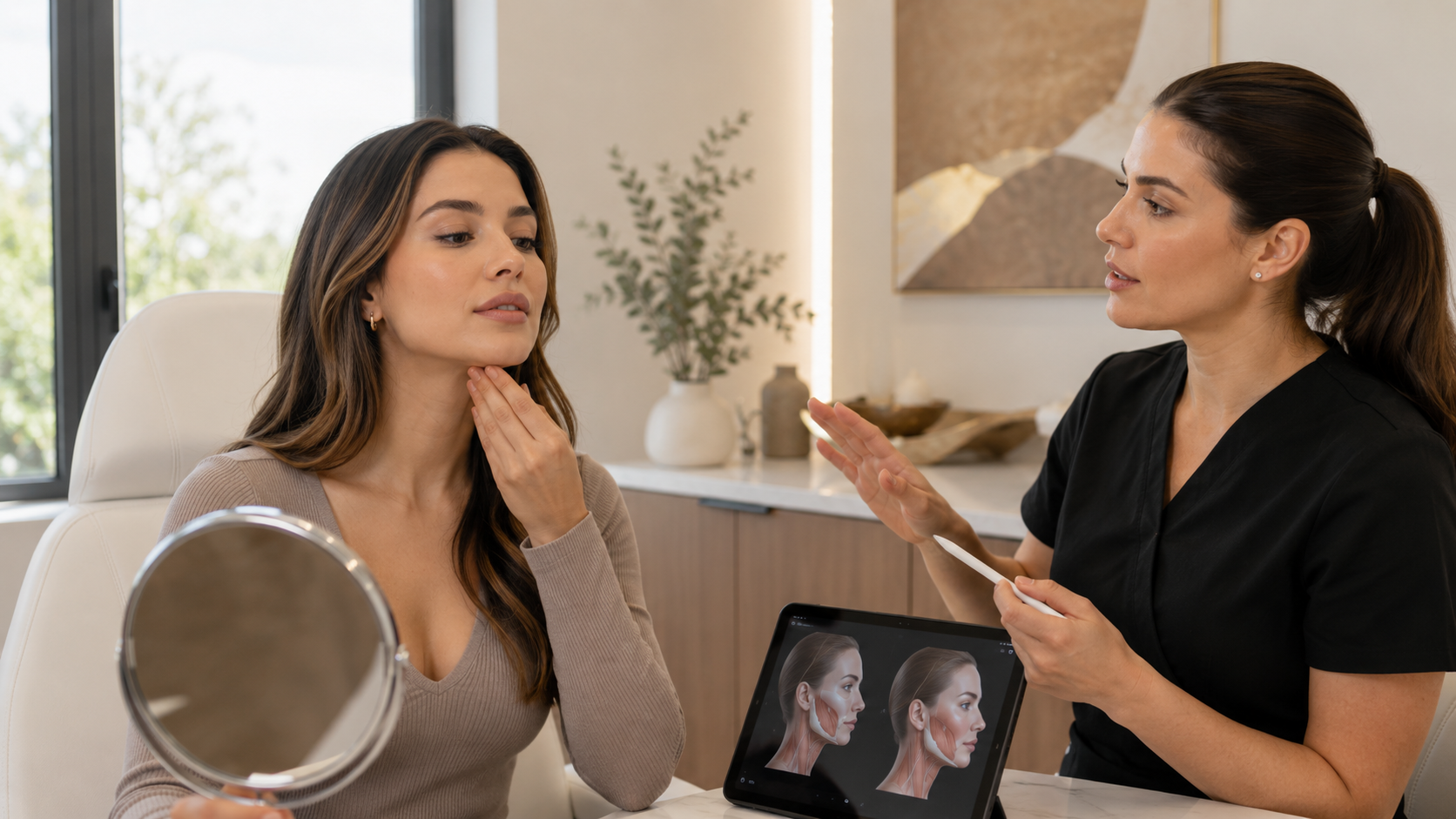
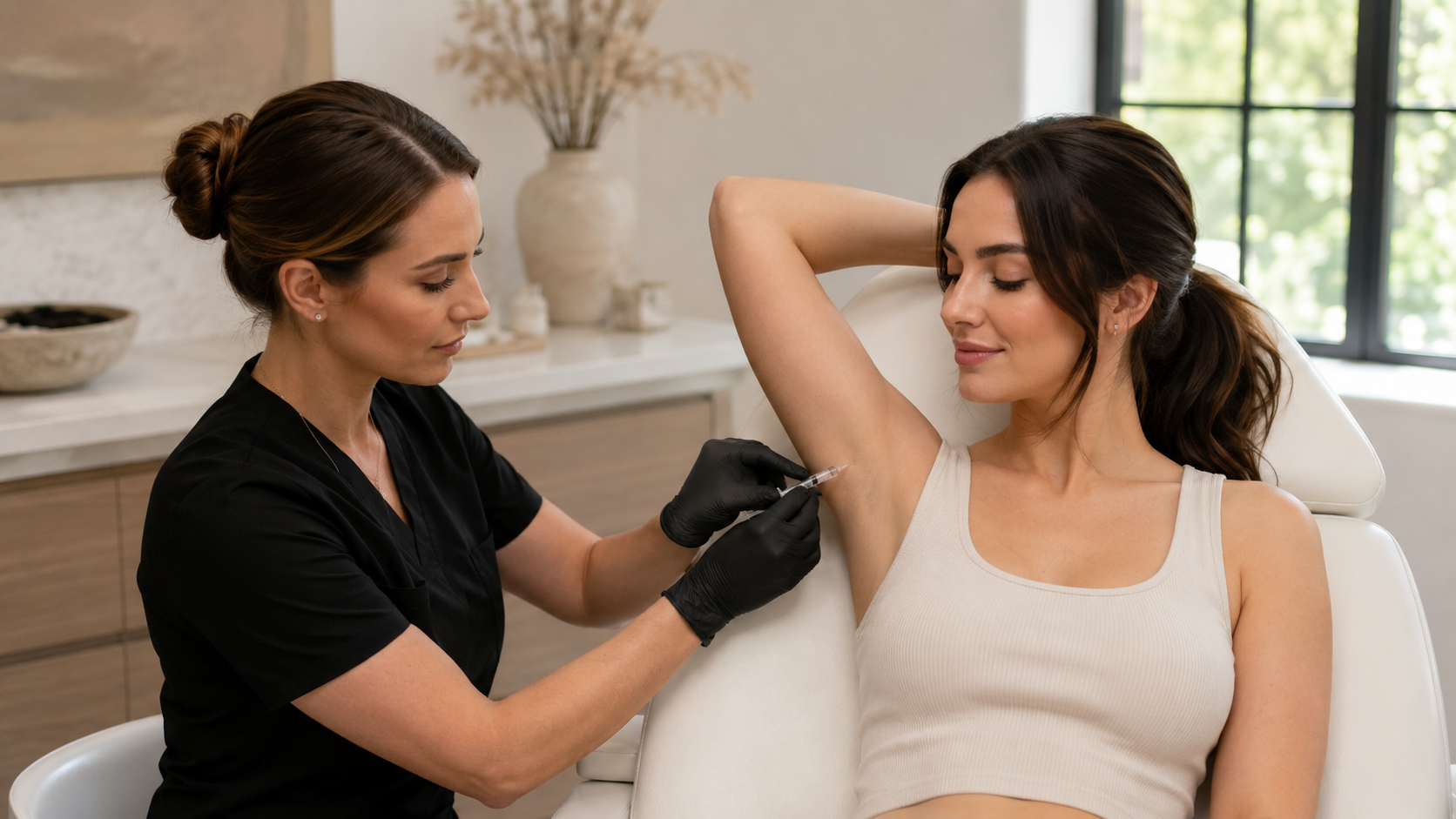
Injectables are the high-performance athletes of the aesthetic world. From neuromodulators like Botox and Dysport, which relax facial muscles to reduce wrinkles, to dermal fillers that plump up lost volume, injectables deliver fast, visible results.
Some categories include:
- Neurotoxins for dynamic lines (e.g., forehead wrinkles, crow’s feet)
- Hyaluronic acid fillers for volume and contour
- Biostimulators like Sculptra that stimulate collagen over time
Why Combine Peptides and Injectables?
Here’s where the magic happens: peptides work at a cellular level to improve skin over time, while injectables give you the instant lift or smoothing effect. When combined, you’re playing both the long game and the short game.
For example:
- Use peptides daily to strengthen your skin and extend the results of injectables.
- Combine Botox with Argireline-containing serums to enhance muscle relaxation.
- Apply peptide serums post-filler to boost hydration and healing.
It’s like pairing a strength-training program with a protein-rich diet—you’re reinforcing the benefits on multiple levels.
What to Expect from Results
- Peptides: Subtle improvements in texture, tone, and firmness over weeks or months.
- Injectables: Immediate or near-immediate smoothing and lifting effects, lasting 3 to 18 months depending on the type.
And the best part? You can tailor treatments to your needs and goals. Want prevention? Start with peptides and small doses of Botox. Looking for correction? Layer in strategic fillers and a clinical peptide routine.
Who Should Consider These Treatments?
Great news—most people are good candidates for at least one or both approaches. Whether you’re 28 and noticing faint smile lines or 55 and chasing elasticity, peptides and injectables can meet you where you are.
That said, always consult with a qualified provider to determine the best plan for your skin type, concerns, and budget.
Key Takeaways
- Peptides and injectables aren’t rivals—they’re partners. Peptides boost long-term skin health, while injectables deliver immediate visual results.
- Customization is everything. Your treatment plan should reflect your unique skin, goals, and budget.
- You don’t have to choose. Combining both can give you the best of both worlds: a smooth, firm face today and healthier skin tomorrow.
- Consistency matters. Whether you’re injecting or applying, stick to a regimen for real results.
FAQs
1. Can I use peptides and injectables at the same time?
Absolutely. In fact, they work better together. Peptides enhance your skin’s health over time, while injectables deliver instant results, making them a dream team in your anti-aging strategy.
2. How soon will I see results from peptides?
Peptides typically take 4 to 12 weeks to show visible changes, depending on the product and your skin’s response. Consistency is key—treat it like a fitness regimen for your face.
3. Are there any risks in combining peptides with injectables?
Not really—there’s no known conflict between them. Just make sure your skincare routine is approved by your injector, especially after treatments when your skin may be more sensitive.
4. Which peptides are best for wrinkles?
Look for Matrixyl, Argireline, and copper peptides. These are clinically studied for their wrinkle-reducing and firming effects, and are often included in high-quality serums and creams.
5. Do peptides replace the need for Botox or fillers?
Not quite. Peptides are great for preventing and maintaining, but they don’t match the instant results of injectables. Think of them as a supplement—not a substitute.