Most people assume dry skin and dehydrated skin are the same—but they’re not. While dryness is a skin type, dehydration is a condition that can affect anyone, regardless of oil levels. Recognizing dehydrated skin signs early is crucial because surface-level skincare often isn’t enough to correct the underlying issue.
In many cases, dehydration stems from deeper imbalances in the skin barrier, environment, or lifestyle. That’s why even high-end serums and moisturizers sometimes fail to deliver lasting results.
If your skin still feels tight, dull, or irritated despite a solid routine, your skin may be asking for more than just topical care.
Jump To:
TLDR Quick Guide
- Dehydrated skin lacks water, not oil
- Skincare alone may not fix deeper hydration issues
- Common signs include dullness, tightness, and fine lines
- Professional treatments can restore hydration at a deeper level
- Long-term results require both internal and external support
What Is Dehydrated Skin?
Understanding the Difference Between Dry and Dehydrated
Dry skin lacks oil, while dehydrated skin lacks water.
You can have oily skin and still be dehydrated, which is why many people misdiagnose their condition. Dehydration affects how your skin looks, feels, and functions at a cellular level.
This imbalance weakens your skin barrier, making it harder to retain moisture.
7 Dehydrated Skin Signs You Shouldn’t Ignore
1. Tightness Even After Moisturizing
If your skin feels tight shortly after applying moisturizer, hydration isn’t reaching deep enough.
This often indicates a compromised skin barrier rather than a lack of product.
2. Dull, Tired-Looking Skin
Dehydrated skin loses its natural glow.
It appears flat, uneven, and lacks the radiance associated with healthy skin.
3. Fine Lines That Appear Suddenly
Dehydration can exaggerate fine lines, especially around the eyes and mouth.
These lines may soften temporarily after moisturizing but quickly return.
4. Increased Sensitivity and Irritation
Dehydrated skin becomes more reactive.
You may notice redness, itching, or discomfort even with products you’ve used before.
5. Oily Yet Flaky Skin
This is one of the most confusing signs.
Your skin may produce excess oil to compensate for dehydration, while still appearing flaky or uneven.
6. Makeup Doesn’t Sit Well
Foundation may look patchy, cakey, or uneven.
Dehydrated skin struggles to hold products smoothly, affecting overall appearance.
7. Skin Feels Rough or Uneven
Even with exfoliation, your skin may feel textured.
This is often due to a lack of hydration rather than buildup.
Why Skincare Alone May Not Fix Dehydration
Surface-Level Products Have Limitations
Most skincare products work on the outermost layer of the skin.
While they can temporarily improve hydration, they often don’t address deeper issues affecting water retention.
The Skin Barrier Needs Repair
When your barrier is compromised, it can’t hold onto moisture effectively.
This means hydration escapes quickly, no matter how many products you apply.
Environmental and Lifestyle Factors Play a Role
Dehydration can be influenced by:
- Climate and air conditioning
- Diet and water intake
- Stress and sleep quality
These factors must be addressed alongside skincare.
Advanced Treatments That Actually Improve Hydration
Skin-Boosting Injectables
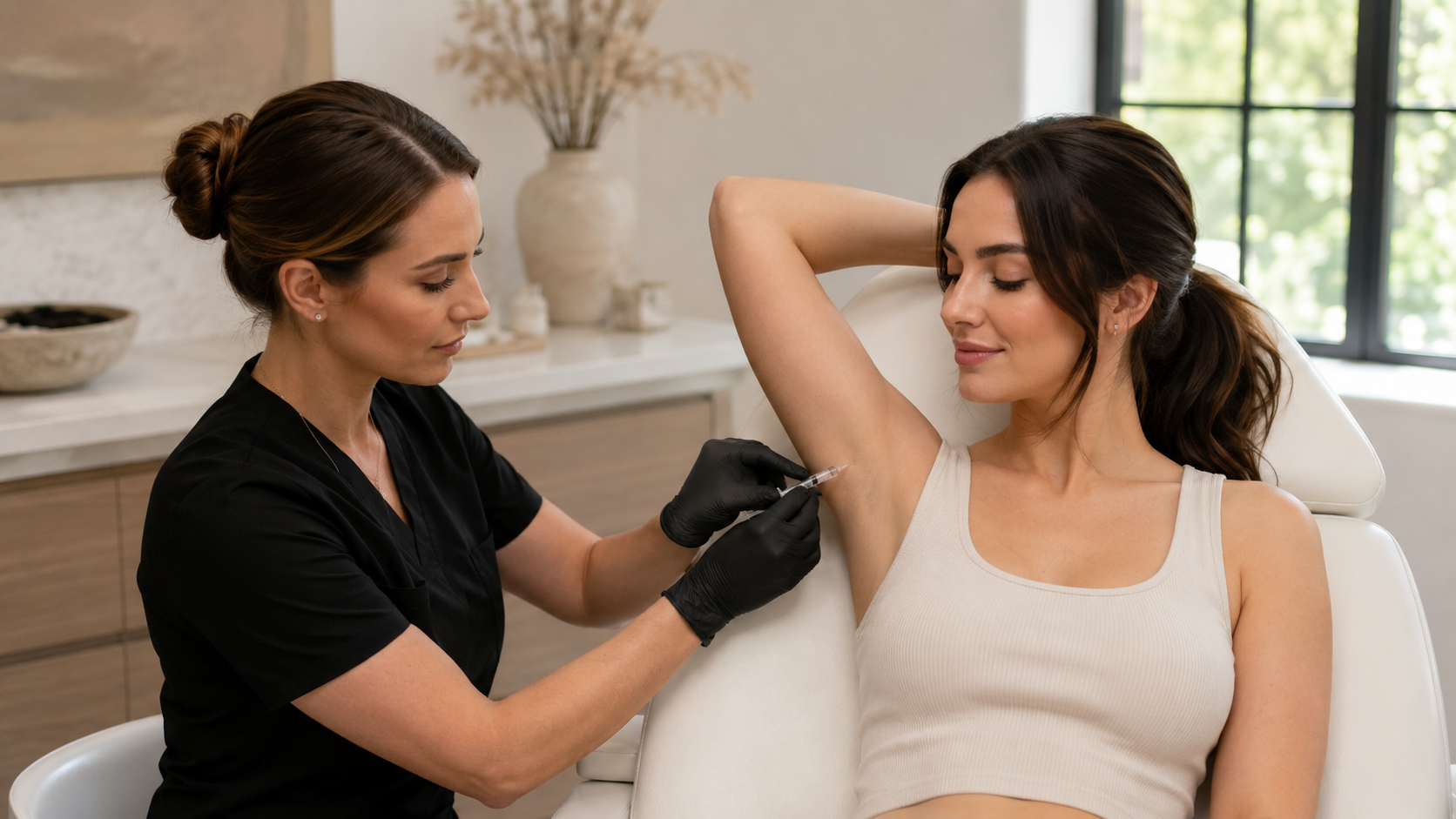
Treatments like SkinVive hydration treatment deliver hydration beneath the surface.
They improve skin quality over time by enhancing moisture retention and smoothness.
Deep-Cleansing and Infusion Facials
Professional facials like the DiamondGlow Platinum facial exfoliate, extract, and infuse hydration simultaneously.
This allows active ingredients to penetrate deeper for more noticeable results.
Barrier-Repair and Stimulation Treatments
Treatments such as the ZO Stimulator facial help strengthen the skin barrier while boosting hydration.
These options are ideal for maintaining long-term skin health.
Targeted Treatment Plans
If dehydration is persistent, exploring dedicated solutions for dehydrated skin treatment can help address the root cause instead of just symptoms.
How to Prevent Dehydrated Skin Long-Term
Hydrate From the Inside Out
Drinking enough water is essential, but it’s only part of the equation.
Electrolytes, diet, and overall health also influence hydration levels.
Use the Right Ingredients
Look for:
- Hyaluronic acid
- Glycerin
- Ceramides
These help attract and retain moisture.
Protect Your Skin Barrier
Avoid over-exfoliating and harsh products.
A strong barrier is key to maintaining hydration.
Why Skinjectables Offers Effective Hydration Solutions
Skinjectables focuses on treatments that go beyond surface-level results.
Instead of relying solely on topical products, they provide advanced solutions that improve hydration from within.
Their approach combines:
- Medical-grade treatments
- Personalized plans
- Long-term skin health strategies
Key Takeaways
- Dehydrated skin signs often go beyond simple dryness
- Skincare alone may not fix deeper hydration issues
- Advanced treatments deliver hydration beneath the surface
- A strong skin barrier is essential for long-term results
- Combining treatments with proper skincare provides the best outcome
FAQs
How do I know if my skin is dehydrated or dry?
Dry skin lacks oil, while dehydrated skin lacks water. You can have oily skin and still experience dehydration. Paying attention to tightness, dullness, and sensitivity helps identify the difference.
Can drinking water fix dehydrated skin?
Drinking water helps, but it’s not enough on its own. Skin hydration depends on barrier function and external care. Professional treatments often provide more noticeable results.
Why does my skin feel tight even after moisturizing?
This usually means the moisture isn’t being retained properly. A compromised skin barrier can cause hydration to escape quickly. Deeper treatments may be needed to restore balance.
Are facials enough to treat dehydrated skin?
Some facials help temporarily, but advanced treatments are often more effective. Deep hydration and barrier repair are key. Combining treatments provides longer-lasting improvement.
What is the best treatment for dehydrated skin?
The best treatment depends on severity and skin type. Options like injectables, advanced facials, and barrier-repair treatments work well. A personalized plan delivers the best results.