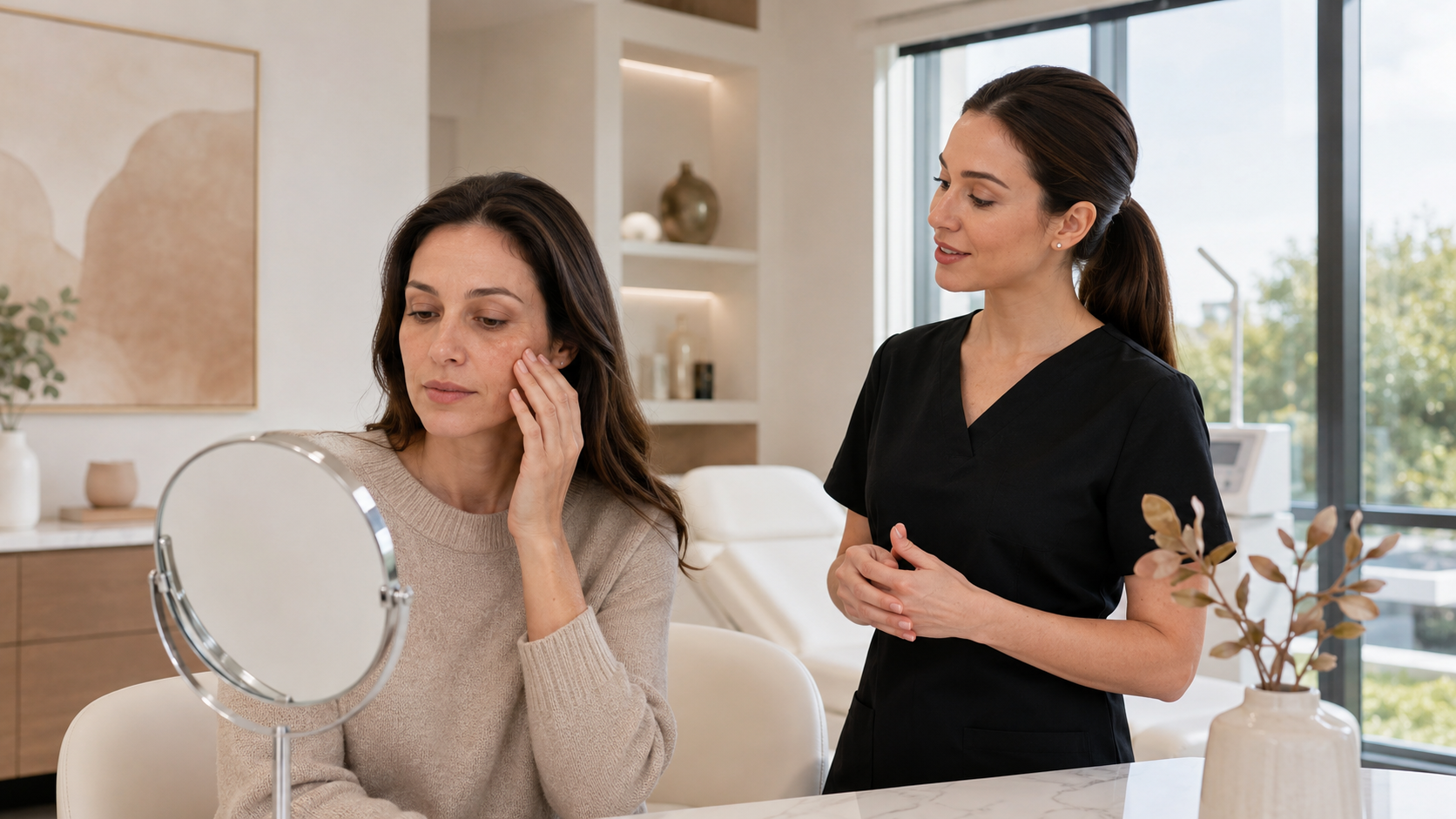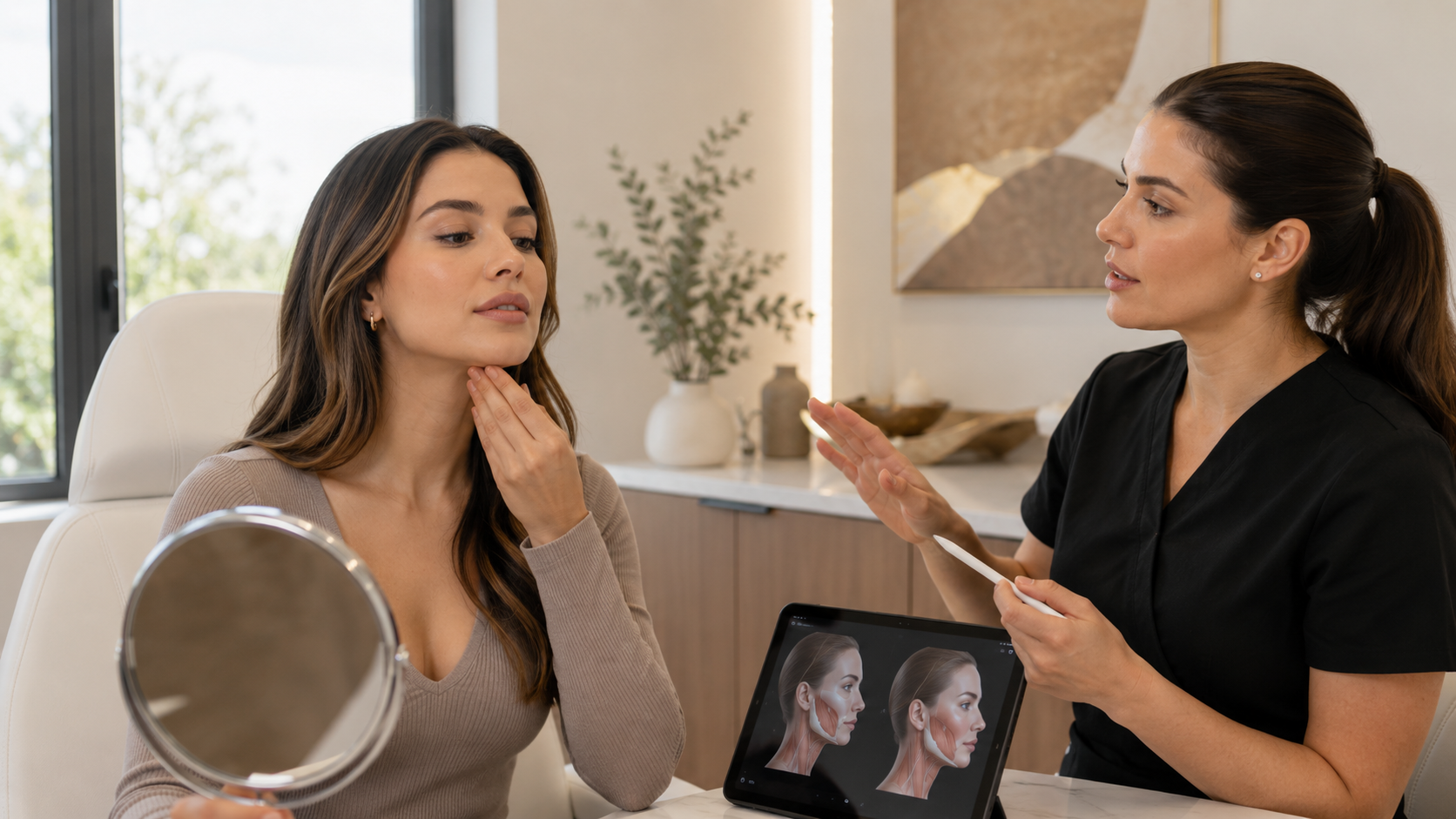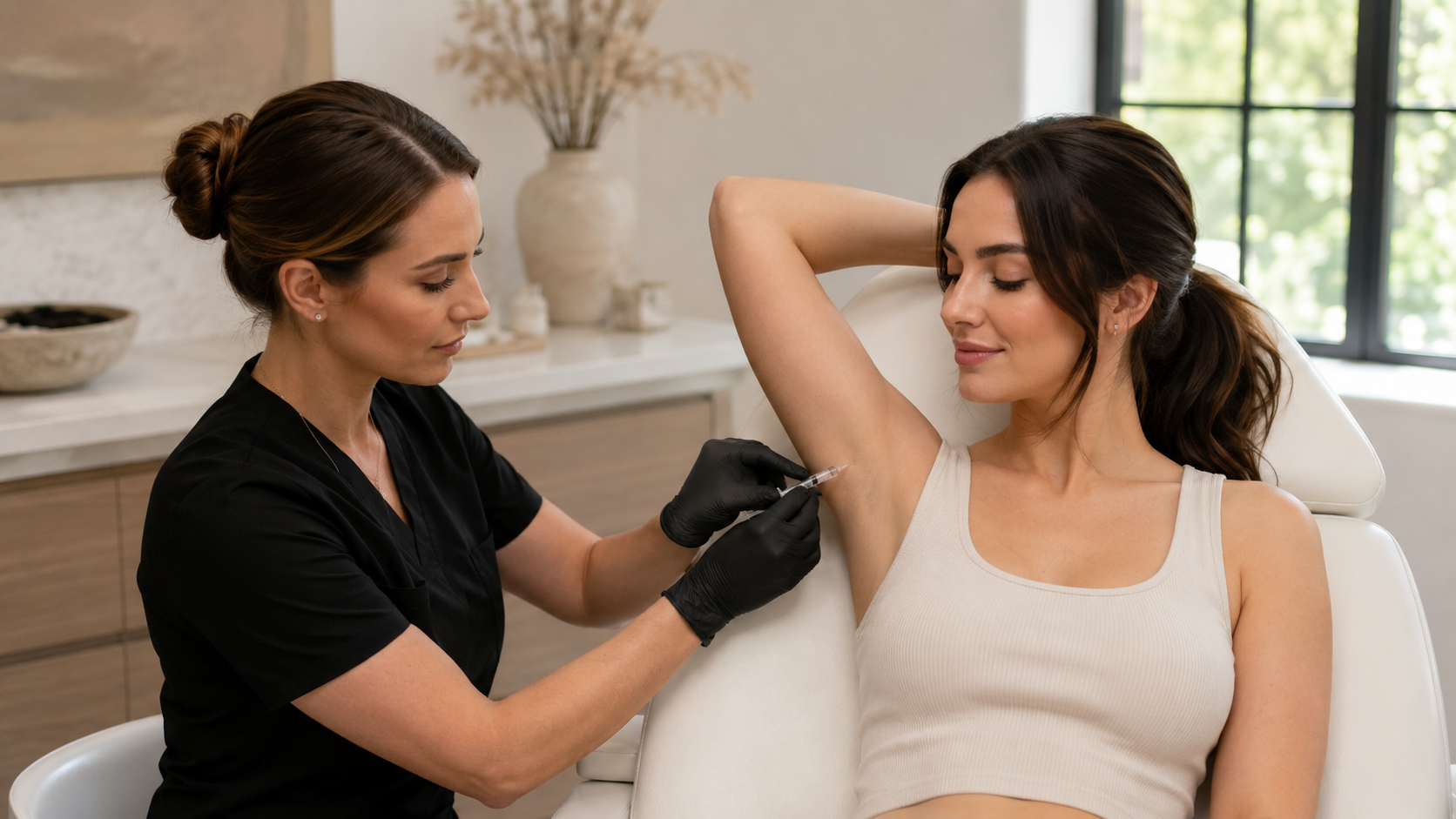
Botox has become synonymous with wrinkle-smoothing and youthful skin, but its journey into the beauty industry is backed by fascinating science and rigorous safety standards. For decades, Botox has been used not just for aesthetic purposes but also for medical treatments like migraines, muscle spasms, and excessive sweating. Understanding how Botox works and why it’s considered safe can demystify this powerful treatment and help you make informed decisions about its use.
Jump to:
TLDR – Quick Guide
- Botox is a purified protein derived from Clostridium botulinum, designed to relax targeted muscles temporarily.
- It works by blocking nerve signals to the muscles, reducing contractions and smoothing wrinkles or alleviating medical conditions.
- Botox is FDA-approved and extensively tested, making it a safe treatment when administered by qualified professionals.
- Side effects are minimal and rare when handled correctly.
- Beyond aesthetics, Botox has broad medical applications, proving its versatility and safety.
Detailed Breakdown
1. What Is Botox?
Botox is a brand name for botulinum toxin type A, a naturally occurring protein produced by the Clostridium botulinum bacteria. While the term “toxin” might sound alarming, Botox is highly purified and diluted for medical and cosmetic use. The science behind Botox ensures it targets specific areas without spreading harmfully throughout the body.
2. How Does Botox Work?
The mechanism behind Botox is surprisingly simple yet highly effective. When injected, it blocks the release of acetylcholine—a neurotransmitter that signals muscle contraction. By interrupting this process, Botox relaxes the targeted muscles, smoothing out wrinkles or addressing medical issues like muscle stiffness or spasms.
The effects are temporary, lasting 3–6 months on average, making it a low-risk, reversible treatment.
3. Is Botox Safe?
Yes, Botox is incredibly safe when administered by licensed and trained professionals. The FDA first approved Botox for medical use in 1989 and for cosmetic purposes in 2002. Studies repeatedly show its safety and effectiveness across various applications.
To ensure safety:
- Always choose a certified provider.
- Follow post-treatment care guidelines.
- Avoid treatments if pregnant, nursing, or allergic to any ingredients in Botox.
4. Medical and Cosmetic Applications
Botox’s benefits extend far beyond erasing fine lines.
Medical Uses Include:
- Treating chronic migraines.
- Managing excessive sweating (hyperhidrosis).
- Reducing muscle spasms and stiffness.
- Treating overactive bladder.
Cosmetic Uses Include:
- Reducing forehead wrinkles and crow’s feet.
- Lifting eyebrows for a youthful appearance.
- Smoothing neck bands.
Each treatment is customized to the individual’s needs, ensuring precise and effective results.
5. What Are the Risks and Side Effects?
The side effects of Botox are typically mild and short-lived. They may include:
- Redness or swelling at the injection site.
- Temporary headaches or minor bruising.
- Rarely, drooping eyelids or asymmetry if improperly administered.
Proper consultation with a qualified provider minimizes risks and ensures optimal outcomes.
6. Who Can Benefit From Botox?
Botox isn’t just for those chasing the fountain of youth. People in their 20s often use it for preventive treatments, while others rely on it to manage specific medical conditions. Botox works well for nearly all adults in good health who want non-surgical solutions for aesthetic or medical concerns.
Key Takeaways
- Botox works by blocking nerve signals to relax targeted muscles, offering temporary but effective results.
- Its safety is backed by decades of research, FDA approvals, and widespread medical use.
- Both cosmetic and therapeutic applications make Botox a versatile tool for improving quality of life.
- Choosing a licensed provider ensures effective treatment with minimal risks.
Whether you’re considering Botox for smoother skin or relief from migraines, the science behind Botox speaks volumes about its efficacy and safety.
FAQs
1. What exactly is Botox made of?
Botox is a purified protein derived from botulinum toxin type A, produced by Clostridium botulinum. Despite the name, it’s heavily refined and used in tiny doses to ensure safety.
2. How long do Botox results last?
Results typically last 3–6 months, depending on the treatment area, dosage, and individual response. Regular maintenance can prolong the effects.
3. Is Botox painful?
Most patients report only minor discomfort, likened to a small pinch during injection. Topical numbing agents or ice can minimize any pain.
4. Are there age restrictions for Botox?
Botox is FDA-approved for adults aged 18 and older. Preventive treatments often start in the mid-20s to early 30s, but older adults can benefit as well.
5. Can Botox freeze my face?
Not when done correctly. Skilled providers aim for natural-looking results by targeting specific muscles, avoiding the “frozen” look.