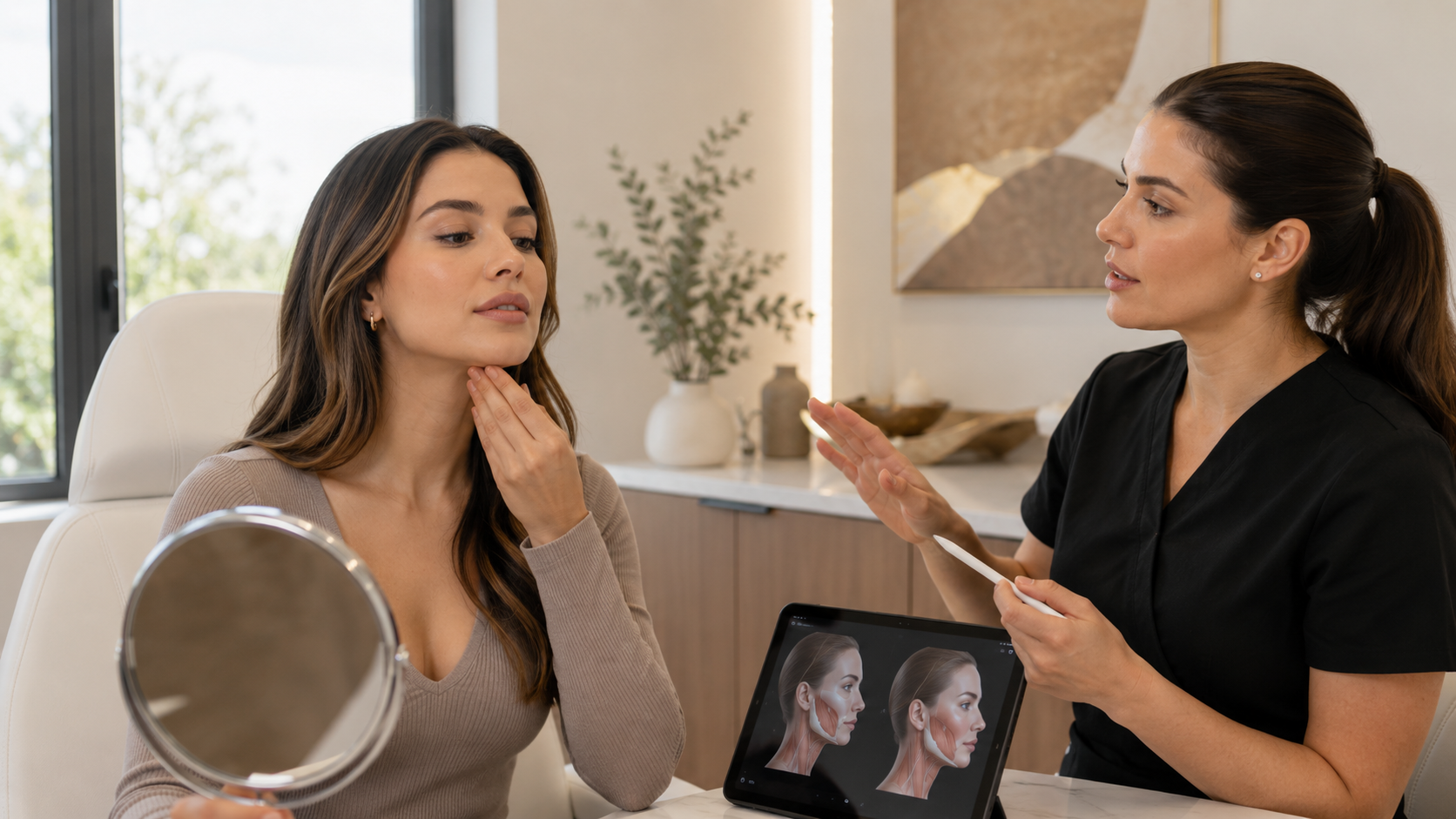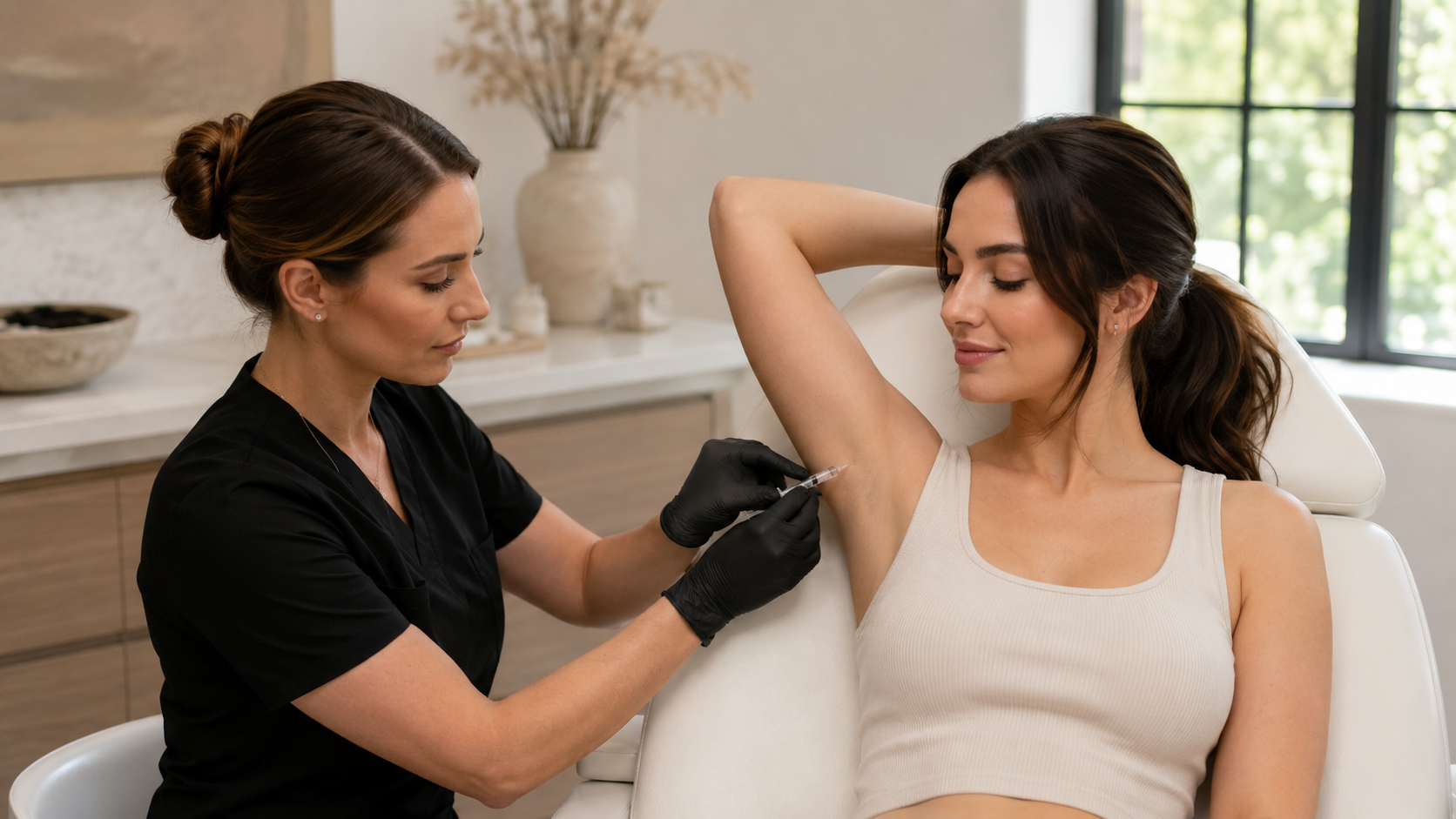
If you think Botox is only for deep wrinkles, think again. Preventative Botox is gaining popularity among younger individuals who want to slow down aging before fine lines become permanent. But how does it work, and when is the right time to start?
This guide breaks down how preventative Botox works, its benefits, and the ideal age to begin for long-term results.
Jump To:
TLDR – Quick Guide
- Preventative Botox relaxes muscles before wrinkles form, preventing deep lines from setting in.
- Most people start in their mid-to-late 20s or early 30s, depending on genetics and lifestyle.
- It’s best for areas with repetitive movements like the forehead, crow’s feet, and frown lines.
- Regular treatments every 3-6 months can slow visible aging over time.
- It’s safe, effective, and gives a natural, wrinkle-free look when done correctly.
Detailed Breakdown
What Is Preventative Botox?
Botox is a neuromodulator that temporarily blocks nerve signals to targeted muscles. This prevents them from contracting, which helps smooth out wrinkles.
Preventative Botox is different because it’s used before wrinkles form, rather than after they’ve already set in. By relaxing facial muscles early, you stop deep creases from ever developing.
Best Areas for Preventative Botox
Certain areas of the face are prone to dynamic wrinkles—lines that form from repeated muscle movements. Preventative Botox is most effective in these areas:
| Area | What It Prevents |
| Forehead Lines | Horizontal lines from raising eyebrows |
| Glabellar Lines (11s) | Vertical frown lines between eyebrows |
| Crow’s Feet | Fine lines at the corners of the eyes |
| Bunny Lines | Wrinkles on the nose from scrunching |
Best Age to Start Preventative Botox
There’s no one-size-fits-all answer, but most people start in their mid-to-late 20s or early 30s.
- Mid-20s: If you have expressive facial movements and early fine lines.
- Late 20s – Early 30s: The most common time to start, before static wrinkles appear.
- Mid-30s & Beyond: Botox still works, but deeper wrinkles may need more correction.
How Often Should You Get Preventative Botox?
Botox typically lasts 3-4 months, but for preventative purposes, many people space out treatments every 4-6 months. This keeps muscles relaxed without overdoing it, maintaining a natural look.
Does Preventative Botox Look Natural?
Yes—when done correctly. The goal isn’t to freeze your face but to soften muscle movement and prevent deep wrinkles from forming. A skilled injector will:
- Use small, strategic doses to maintain natural expressions.
- Focus on prevention rather than correction for subtle results.
- Adjust treatments based on your muscle strength and movement patterns.
Benefits of Starting Botox Early
- Prevents Deep Wrinkles Before They Start – Stops fine lines from becoming permanent.
- Less Product Needed Over Time – Early treatments prevent deeper wrinkles, meaning fewer units required in the future.
- Long-Term Cost Savings – Preventing wrinkles is more affordable than reversing them later.
- Maintains a Natural Look – Subtle Botox use keeps skin youthful without drastic changes.
- Boosts Confidence – Helps maintain a refreshed, well-rested appearance.
Preventative Botox vs. Regular Botox
| Feature | Preventative Botox | Regular Botox |
| Purpose | Prevents wrinkles | Reduces existing wrinkles |
| Age to Start | Mid-20s to early 30s | Mid-30s and beyond |
| Number of Units Needed | Fewer units | More units for deeper lines |
| Frequency | Every 4-6 months | Every 3-4 months |
Are There Any Risks?
Preventative Botox is very safe when administered by an experienced professional. Possible mild side effects include:
- Temporary redness or swelling at the injection site.
- Mild bruising, which fades in a few days.
- A slight tight sensation in treated areas.
To avoid complications, always choose a qualified injector who specializes in facial anatomy and Botox treatments.
Key Takeaways
- Preventative Botox stops wrinkles before they start by relaxing muscles early.
- The best age to start is typically in your mid-to-late 20s or early 30s.
- Common treatment areas include the forehead, frown lines, and crow’s feet.
- Regular treatments every 4-6 months help maintain long-term results.
- A natural look is achievable when done by an experienced injector.
FAQs
1. Will I still be able to move my face?
Yes. Preventative Botox is meant to soften movements, not freeze your face. A skilled injector will ensure natural-looking results.
2. Can I stop Botox after starting, or will my wrinkles get worse?
If you stop Botox, your muscles will gradually regain full movement. Your skin won’t suddenly wrinkle more—it will just return to its natural aging process.
3. Is Botox safe for long-term use?
Yes. Botox has been extensively studied and used for decades with no long-term negative effects when administered properly.
4. How much does preventative Botox cost?
Costs vary based on the number of units needed and location. Most people require 10-30 units per session, with prices typically ranging from $10-$15 per unit.
5. Can skincare replace Botox for wrinkle prevention?
While good skincare (like retinol and SPF) helps slow aging, it can’t relax muscle movements the way Botox does. The best approach combines preventative Botox with a strong skincare routine.