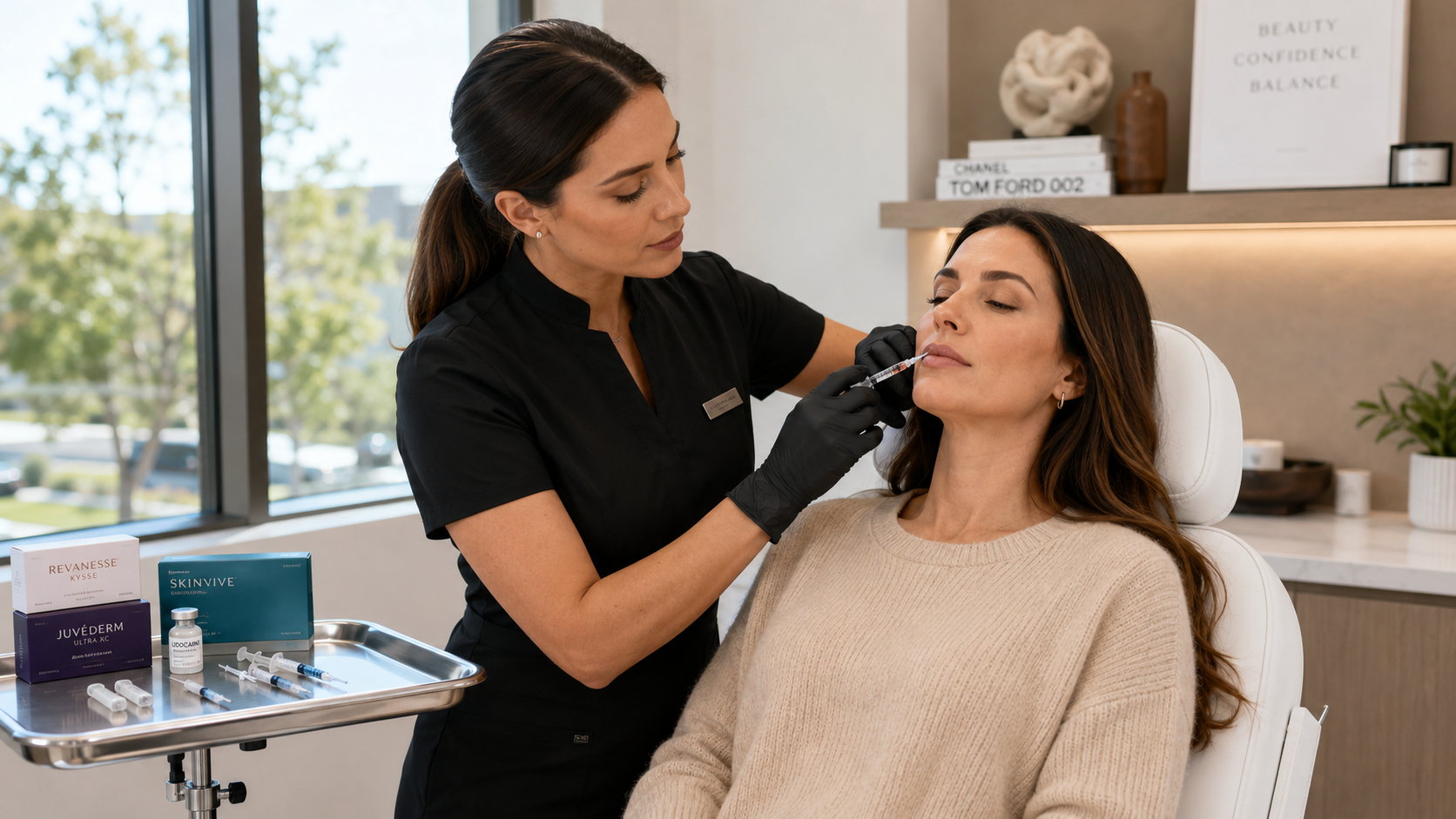
If you’re considering laser resurfacing but have a packed schedule, understanding halo laser downtime is critical before committing. Halo is known for delivering powerful skin rejuvenation results—but like any advanced treatment, it comes with a recovery period that needs to be planned properly.
For busy professionals, downtime isn’t just about healing—it’s about managing work, meetings, and social obligations while your skin recovers. The good news is that Halo laser offers a balanced approach: noticeable results with manageable downtime.
At clinics like Skinjectables, treatments are designed to fit into real life—helping you improve your skin without completely disrupting your routine.
Jump To:
TLDR Quick Guide
- Halo downtime typically lasts 3–7 days
- Redness and swelling peak within the first 48 hours
- Skin begins peeling around days 2–4
- Most clients return to normal activities within a week
- Planning your schedule is key for a smooth recovery
What Is Halo Laser and Why Downtime Matters
A Hybrid Laser Approach
Halo laser is a hybrid fractional laser that targets both the surface and deeper layers of the skin. It improves texture, tone, fine lines, and sun damage.
Because it works at multiple depths, it delivers more noticeable results than lighter treatments. However, this also means there’s a recovery period involved.
Downtime reflects the level of transformation happening beneath the surface.
Why Professionals Need to Plan Ahead
Unlike quick treatments like injectables, laser resurfacing requires visible healing. Redness, swelling, and peeling are part of the process.
For professionals with meetings, presentations, or client-facing roles, this can impact daily life. Planning your treatment around your schedule is essential.
Timing your session strategically makes all the difference.
Halo Laser Downtime Timeline
Day 1: Immediate Post-Treatment Effects
Right after treatment, your skin will feel warm and appear red—similar to a moderate sunburn. Some swelling may also occur.
This is the body’s natural response to the laser energy. It signals the beginning of the healing process.
Most clients prefer to go home and rest during this stage.
Days 2–3: Swelling and Texture Changes
Swelling may peak during this period, especially around the eyes. Your skin may feel tight and slightly rough.
You’ll begin to notice a sandpaper-like texture forming. This is a normal part of the resurfacing process.
It’s best to avoid important social or professional events during these days.
Days 3–5: Peeling and Renewal
Peeling typically begins around day 3. The outer layer of damaged skin starts to shed.
This is when your skin transitions into renewal mode. New, healthier skin begins to emerge underneath.
While makeup can help, some visibility of peeling is expected.
Days 5–7: Recovery and Glow
By the end of the week, most visible peeling has subsided. Redness fades significantly, and your skin begins to look refreshed.
At this stage, many clients feel comfortable returning to normal routines. The initial glow becomes noticeable.
Results continue to improve over the following weeks.
Managing Downtime With a Busy Schedule
Scheduling Around Work and Events
The best strategy is to schedule your treatment before a weekend or time off. This allows the most visible recovery phase to happen privately.
Avoid booking treatments right before major events or travel. Give your skin time to heal properly.
Planning ahead reduces stress during recovery.
Minimizing Disruption
While downtime is unavoidable, it can be managed effectively. Working remotely or adjusting your schedule can help.
Some clients choose to take a few days off or limit social interactions. This ensures a more comfortable recovery experience.
Flexibility makes the process smoother.
Tips to Speed Up Recovery
Follow Aftercare Instructions
Proper aftercare is essential for optimal healing. This includes gentle skincare, hydration, and sun protection.
Avoid picking or exfoliating the skin prematurely. Let the process happen naturally.
Following guidelines ensures better results.
Support Skin Hydration
Keeping your skin hydrated helps reduce discomfort and speeds up recovery. Use recommended products and avoid harsh ingredients.
Hydration supports the skin’s repair process. It also enhances the final outcome.
Healthy skin heals faster.
Is Halo Worth the Downtime
High Impact Results
Halo laser delivers noticeable improvements in skin texture, tone, and clarity. Many clients see significant changes after just one session.
Compared to lighter treatments, the results are more dramatic. This makes the downtime worthwhile for many.
It’s a trade-off between time and transformation.
Long-Term Skin Benefits
The benefits extend beyond immediate results. Halo stimulates collagen production, improving skin over time.
This leads to smoother, firmer, and more youthful-looking skin. The investment pays off in the long run.
Results continue to evolve even after recovery.
Alternatives With Less Downtime
Lighter Skin Treatments
If your schedule doesn’t allow for downtime, lighter treatments may be a better fit. Options like microneedling or chemical peels offer improvements with less recovery time.
While results may be more gradual, they can still be effective. These treatments are easier to fit into a busy lifestyle.
Choosing the right treatment depends on your goals.
Combining Treatments Strategically
Some clients alternate between lighter treatments and more intensive ones like Halo. This creates a balanced approach to skin care.
It allows for consistent improvement without frequent downtime. Strategic planning maximizes results.
Customization is key.
Key Takeaways
- Halo laser downtime typically lasts up to one week
- The most visible recovery happens in the first 3–5 days
- Planning around your schedule is essential
- Results are significant and long-lasting
- Alternatives exist for those needing minimal downtime
FAQs
How long does Halo laser downtime last?
Most clients experience downtime for about 3 to 7 days. The most noticeable effects occur in the first few days. Full recovery continues over time as the skin improves.
Can I go to work after Halo laser treatment?
This depends on your comfort level and work environment. Some people return after a few days, while others prefer to wait. Visible redness and peeling may affect professional settings.
Is Halo laser painful?
The procedure involves some discomfort, but numbing cream is typically used. Most clients find it tolerable. Post-treatment sensations feel similar to a sunburn.
When will I see results?
Initial improvements can be seen within a week. However, full results develop over several weeks. Collagen production continues to enhance your skin over time.
Are there treatments with less downtime?
Yes, treatments like microneedling and chemical peels have shorter recovery periods. They provide gradual improvements with minimal disruption. These are good options for busy individuals.