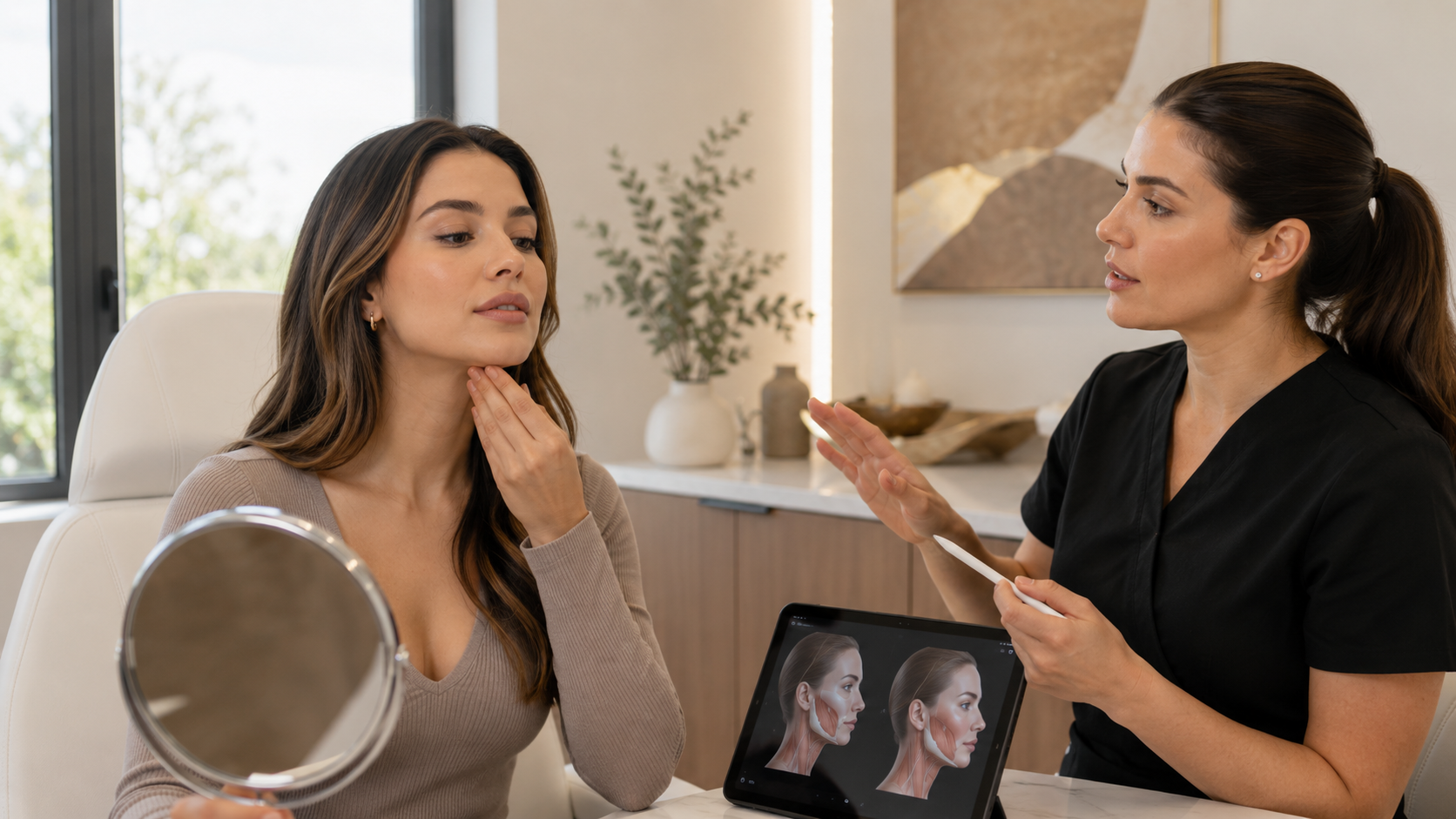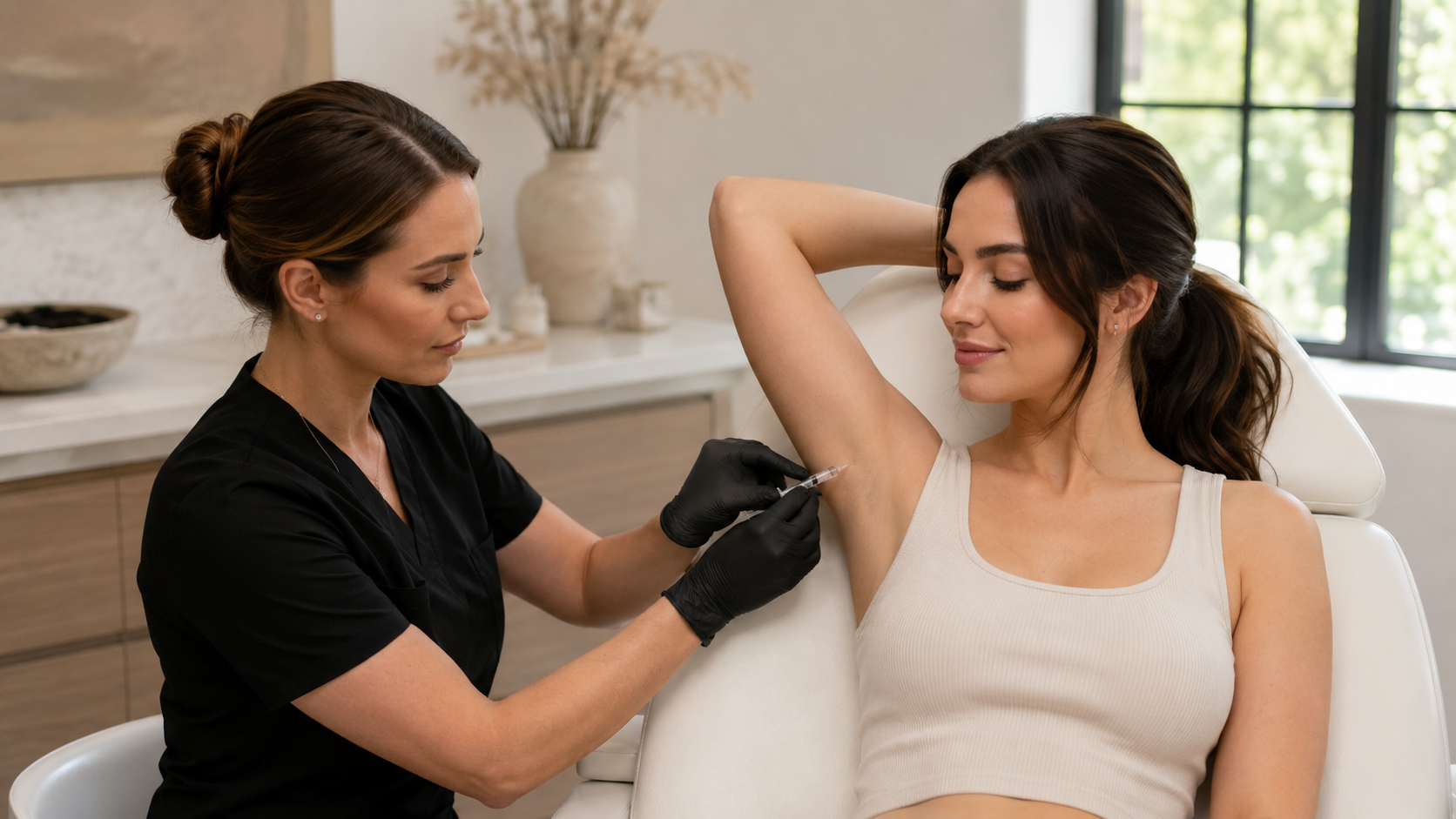
Investing in treatments like fillers, Botox, and lasers is only the first step toward achieving youthful, glowing skin. What you do afterward can significantly impact how well your skin heals and how long your results last. Dermatologist-approved post-treatment skincare routines are essential for reducing irritation, preventing complications, and maintaining long-term radiance.
Jump To:
TLDR – Quick Guide
- Be Gentle: Avoid harsh cleansers, exfoliants, and makeup for the first 24–48 hours.
- Protect Your Skin: Always apply broad-spectrum SPF 30+ to prevent UV damage.
- Hydrate & Heal: Use a fragrance-free, soothing moisturizer to support recovery.
- Skip the Gym & Heat: Avoid strenuous workouts, hot tubs, and saunas for at least 24 hours.
- Follow Provider Advice: Stick to tailored aftercare instructions for your treatment.
Why Post-Treatment Skincare Matters
Fillers, Botox, and laser treatments each create controlled trauma in the skin to deliver results. Without proper aftercare, the healing process can be disrupted—leading to swelling, irritation, or suboptimal outcomes. Following a dermatologist-approved routine ensures your skin heals smoothly, prolongs the effects of treatment, and keeps your complexion healthy.
Skincare After Fillers
Immediate Care
Post-filler skin may feel tender, swollen, or slightly bruised. Apply a cold compress in short intervals to minimize swelling, and avoid massaging or pressing the treated area unless directed.
What to Avoid
Skip alcohol, blood-thinning medications, and intense workouts for 24 hours, as these can increase bruising. Avoid applying makeup directly over injection sites until any redness has resolved.
Long-Term Routine
Maintain hydration with a gentle moisturizer and continue using SPF daily. Adding antioxidant serums after healing can support collagen and overall skin health.
Skincare After Botox
Immediate Care
After Botox, avoid lying flat or touching the treated areas for at least 4 hours. This prevents the neurotoxin from spreading to unintended muscles.
What to Avoid
Skip facials, massages, or skincare devices for 48 hours. Avoid heat exposure like hot yoga or saunas, as these can diminish Botox effectiveness.
Long-Term Routine
Incorporate a consistent anti-aging skincare regimen with sunscreen, vitamin C, and retinol (once cleared by your provider). This combination helps preserve smoother, more youthful-looking skin.
Skincare After Laser Treatments
Immediate Care
Laser treatments create microscopic injuries that require careful healing. Use only gentle cleansers and thick, bland moisturizers for the first few days.
What to Avoid
Avoid picking, scrubbing, or exfoliating peeling skin. Stay out of direct sunlight and refrain from tanning during recovery.
Long-Term Routine
Once the skin barrier is restored, gradually reintroduce active ingredients like retinoids and AHAs under professional guidance. Daily sunscreen use is non-negotiable for maintaining results and preventing hyperpigmentation.
Key Takeaways
- Proper aftercare determines how well your results last and how smoothly you heal.
- Gentle cleansing, hydration, and sun protection are universal essentials.
- Avoid heat, strenuous activity, and harsh products immediately after treatment.
- Tailor long-term skincare to your treatment type and provider’s recommendations.
- Consistency in post-treatment skincare supports healthier, radiant skin for years.
FAQs
Can I wear makeup right after fillers, Botox, or lasers?
It’s best to wait at least 24 hours before applying makeup after injectables and several days after laser treatments. Applying too soon may increase irritation or infection risk. Once cleared by your provider, choose non-comedogenic, mineral-based products.
Why is sunscreen so important after treatments?
Your skin is more vulnerable to UV damage during recovery, especially after lasers. Sunscreen protects against sunburn, hyperpigmentation, and premature aging. Daily SPF use ensures your results last longer and your skin heals properly.
How soon can I resume my normal skincare routine?
Gentle skincare can usually resume after 24–48 hours, but active products like retinol should wait until healing is complete. Your provider may recommend a phased reintroduction of stronger products. Always prioritize soothing, protective care first.
What should I do if I notice redness or bumps after treatment?
Mild redness, swelling, or bumps are common side effects and usually resolve within days. If symptoms worsen, spread, or persist, contact your provider promptly. Avoid self-treating with harsh products, as this may worsen irritation.
Are post-treatment routines the same for everyone?
No—each person’s skin type, treatment, and healing process are unique. While general guidelines apply, a dermatologist can tailor recommendations to your specific needs. This personalized approach ensures safer and more effective results.